

Common Slip-Ups DIYers Make When Handling Wooden SurfacesCommon Slip-Ups DIYers Make When Handling Wooden Surfaces
Tackling home improvement projects involving wood can be incredibly satisfying—until something goes wrong. Whether you’re working on your cabinets, furniture, or wall panels, it’s easy to overlook simple mistakes that lead to disappointing results. That’s especially true for beginners who haven’t yet learned the ropes of handling wooden surfaces. If you’re planning to upgrade your kitchen cabinets, for example, it’s worth brushing up on techniques like how to stain cabinet doors or ways to get a finish that looks polished rather than patchy.
Below, we’ll walk through common errors that many DIY enthusiasts make with wood and how you can sidestep them during your next project.
Skipping Surface Preparation
One of the most frequent mistakes is rushing into staining or painting without properly preparing the surface. Many DIYers underestimate how important it is to clean and sand wood before applying any finish. Dust, grease, or old varnish can interfere with stain absorption, resulting in blotchy and uneven colouring. If you’re working with kitchen cabinets, built-up residue from cooking oils is especially common and needs more than just a damp cloth to remove. Failing to prep correctly can ruin the end result—no matter how expensive the product you apply afterwards. Start by cleaning with a degreasing agent, followed by sanding in the direction of the grain using fine-grit sandpaper. It might feel tedious, but this step lays the groundwork for a far better outcome.
Choosing the Wrong Type of Stain
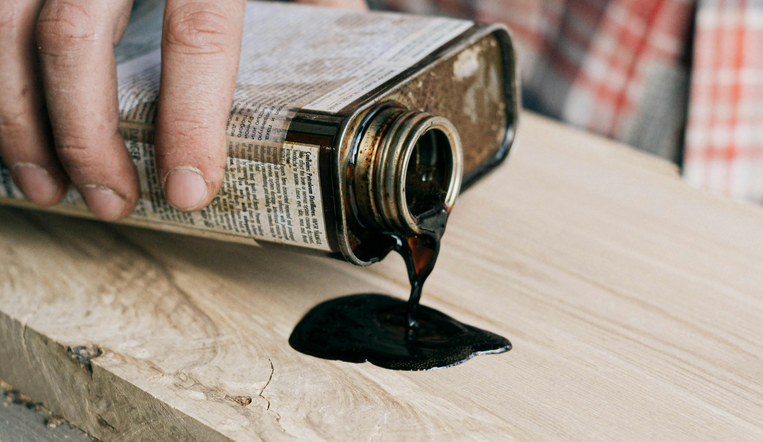
Not all stains behave the same way. Some are oil-based, others water-based, and still others come in gel form. A common mistake is picking a stain type without considering the type of wood, lighting in the room, or even your skill level. For instance, oil-based stains can give a deeper finish but require good ventilation and are trickier to manage. Water-based stains dry faster but might raise the wood grain if not applied correctly. Understanding how each stain interacts with specific types of wood and your environment is key. Matching the stain’s properties with your project needs can save you frustration and rework down the line.
Ignoring Drying Time Between Coats
DIYers often get excited to see their work finished and rush the drying process between coats. This is one of the most avoidable blunders. Applying the next layer too soon can lead to a sticky, streaky mess that doesn’t cure properly. Instead of a smooth, finished appearance, you’re left with visible brush marks or even peeling layers later on. Patience is essential here. Always check the product instructions and give the stain or sealant enough time to fully dry. Using a fan can help speed things up safely but resist the urge to touch or apply new coats prematurely.
Over or Under-Applying Stain
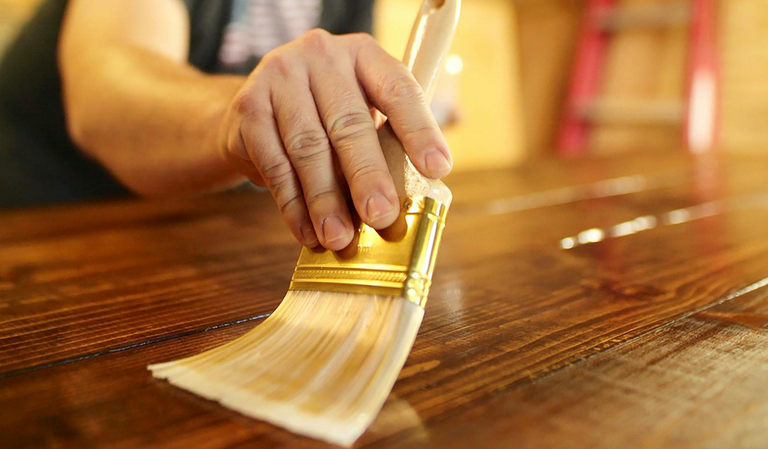
Getting the amount of stain right can be harder than it seems. Applying too much stain can lead to pooling, making the surface look uneven or too dark. On the other hand, applying too little won’t bring out the natural nature of the wood and can leave …



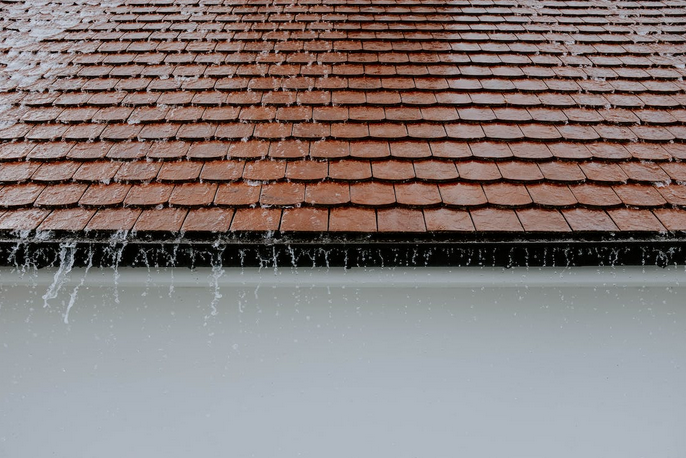
 When choosing the material type for your roof replacement project, aesthetics shouldn’t be overlooked. Your roof is a significant part of your home’s exterior and can drastically affect its curb appeal. Various roofing materials are available in different colors, textures, and styles. For instance, asphalt shingles offer a classic look with their dimensional texture, while metal roofs provide a modern touch with their sleek appearance.
 The first tip to boost the value of your home is to consider a pool upgrade. If you already have a pool, consider making improvements that give it a more modern look and feel. An in-ground swimming pool can add up to 8 percent to the overall value of your home.
 Another great way to improve your home’s overall value is by updating your landscaping. Curb appeal matters when it comes to selling a house. A well-maintained lawn and attractive greenery can significantly affect how potential buyers perceive your home.


 Frozen pipes can be a serious plumbing problem that can cause pipes to burst and lead to costly water damage. The best way to prevent frozen pipes is to keep your home heated to at least 55 degrees Fahrenheit and to insulate pipes in unheated areas. If you suspect your pipes are frozen, turn off the water supply to your home and contact a plumber.
 You also need to choose a gate that would not give the members of your family a hard time to open. Imagine a situation where, and the only reason why they will harm you is that you gate could not open in time? You definitely would not want such a thing to happen, and this is why you should automate your gate. An automated gate will never be hard to open or close.
 Resist the temptation to price your home high. Set a reasonable price from day one in order to maximize initial buyer interest. Once the first 30 days of your listing have passed, buyer engagement falls off a cliff. Buyers may assume there is something wrong with the house or that you’re unwilling to negotiate.
 Take yourself out of your home so your buyers can envision it as their home. Get a storage unit and move about a third of your stuff into it. Empty the closets. Stage each room to serve a specific and recognizable purpose, such as a den, bedroom or TV room. Remove excess furniture, decorations and religious and political items. Hide your pets and put in some wall mirrors to make the rooms seem bigger.
 Whether you are trying to sell your house to a sworn bachelor or a family that values style, a home staging professional will know their exact needs and requirements. Home staging is all about appealing to the personal tastes and wishes of various people. While you may believe that your own preferences and taste are shared by many, in most cases the truth is that not every self-appointed fashionista knows the preferences of every single individual. Professionals who excel at home staging, mostly focus their efforts on learning what people want from their homes. When you hire a home-staging expert, they will share that wealth of knowledge with you and help you make your house suit the needs of many.