

DIY Hacks to Reduce Radon Levels in Your HomeDIY Hacks to Reduce Radon Levels in Your Home
We simply love our home. The fresh air, the cozy environment, and most importantly, our safety. So it’s quite understandable that we would want to make sure that our home is free from any kind of health risks or dangers. That’s why we often do some deep cleaning. Some even go further by remodeling it once in a while. But one thing we often overlook is the potential threat posed by radon. A report showed that the Cincinnati radon levels are high and that only 14% of homes in the area were tested.
Radon is a naturally occurring radioactive gas that can be found in different levels of air, soil, and rocks. This gas is colorless, odorless, and tasteless, making it hard to detect. Radon exposure can lead to serious health risks like lung cancer. Although there are some professional ways to reduce radon levels in the home, it’s also possible to DIY some radon reduction methods. Read on and roll up your sleeves and get ready to lower those radon levels.
Seal All Cracks and Holes in the Foundation
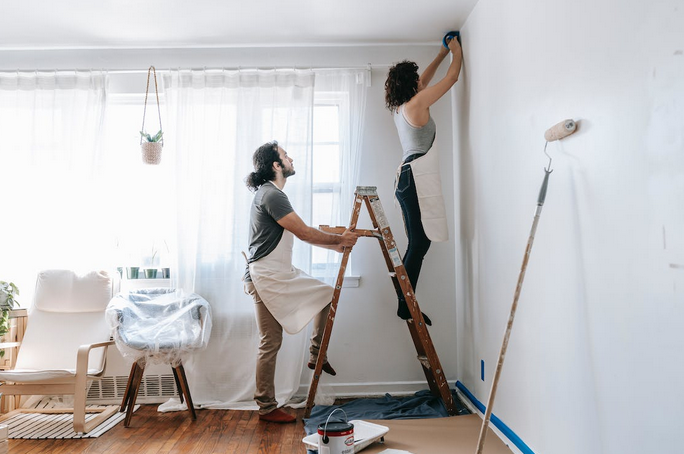
The first thing to do is to seal all the small openings, cracks, or crevices that can be found around the house. These cracks allow radon gas from outside to enter your home. Use a good quality silicone caulk to fill those gaps to block any entry of gas into your home. On top of that, make sure to check pipes and wires that enter your home from outside as well. Not only will it help to reduce radon levels, but it can also prevent heat loss and save energy.
Install Radon Reduction System
 Radon reduction systems are designed to capture the gas from underneath the home and release it into the atmosphere outside. This system is usually installed by professional contractors as they require permits and proper installation techniques in order for it to work. However, if you are feeling up to the challenge, you can always do it yourself. Just make sure that you read the instructions clearly and follow them carefully. All you need is the right tools, good ventilation, and a bit of patience.
Check the Ventilation System
 The airflow throughout the home can affect radon levels in your home. Make sure that the ventilation system of your house is working properly, and clean it regularly to ensure good air quality inside. This helps to keep fresh air circulating, reducing the potential build-up of radon gas. You can also use fans or dehumidifiers to help move air around your home. These will ensure you prevent house depressurization which usually occurs due to the exhaust fans and combustions units working improperly. They can simply lower the air pressure inside your home. That’s why proper ventilation is a must.
Finally, conduct regular radon tests to ensure the levels are not increasing. All these methods should help you to keep your home safe and secure from any health risks caused by radon gas. You simply can’t put your …

 The first tip to boost the value of your home is to consider a pool upgrade. If you already have a pool, consider making improvements that give it a more modern look and feel. An in-ground swimming pool can add up to 8 percent to the overall value of your home.
 Another great way to improve your home’s overall value is by updating your landscaping. Curb appeal matters when it comes to selling a house. A well-maintained lawn and attractive greenery can significantly affect how potential buyers perceive your home.
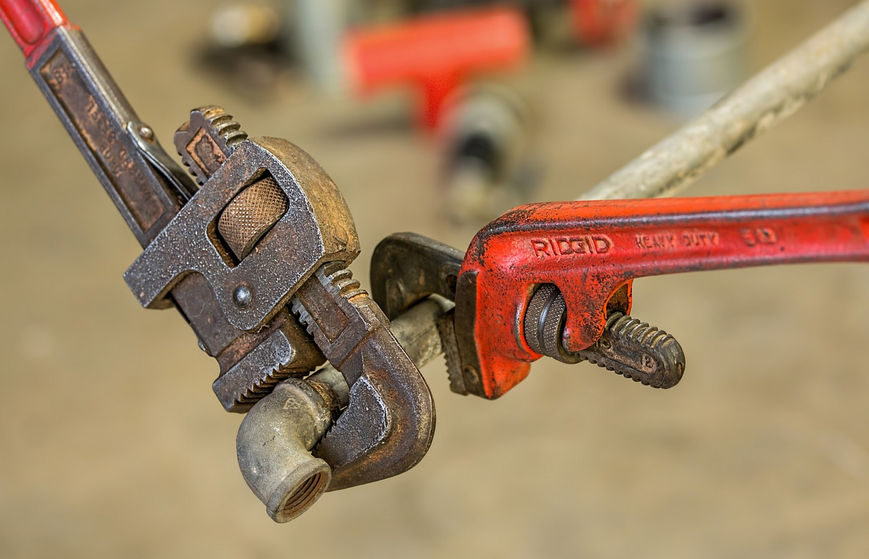
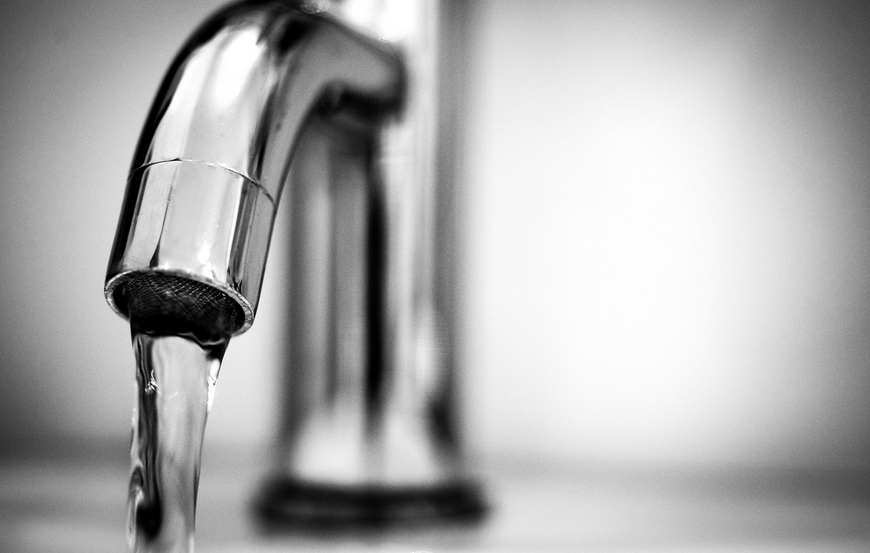
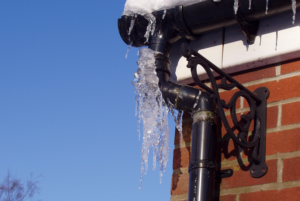 Frozen pipes can be a serious plumbing problem that can cause pipes to burst and lead to costly water damage. The best way to prevent frozen pipes is to keep your home heated to at least 55 degrees Fahrenheit and to insulate pipes in unheated areas. If you suspect your pipes are frozen, turn off the water supply to your home and contact a plumber.